
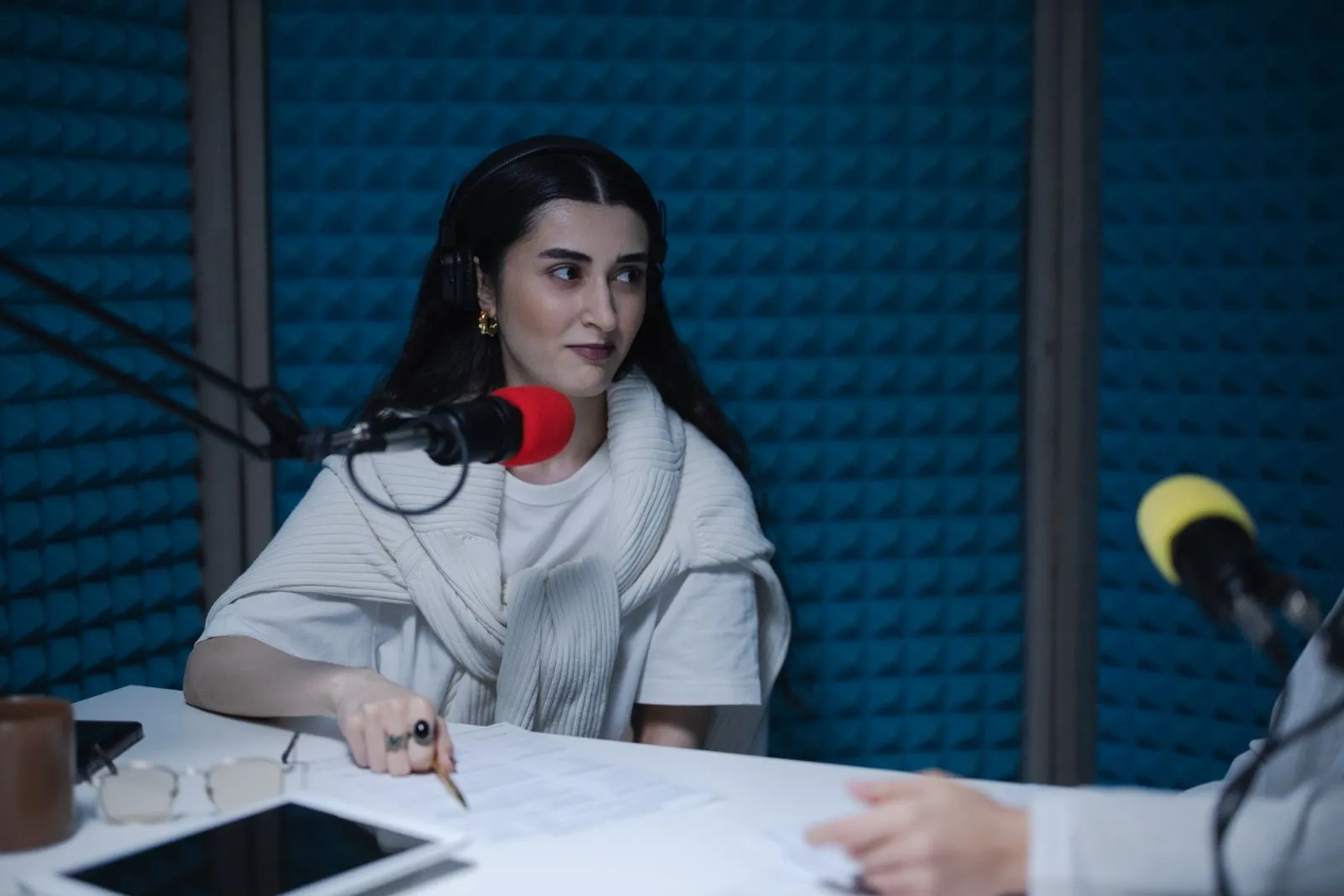
A branded podcast works best when every episode has a reason to exist. Before you book a studio, decide what the show should accomplish, who it is for, and what listeners can expect from each episode. These choices guide the format, guest selection, production needs, and schedule. A practical plan does not need to predict every detail; it should give your team enough direction to record consistently and make the show useful to the people you want to reach.
Set a Clear Podcast Goal
Start with one primary business goal. You might want to explain a complex service, build trust with prospective customers, support existing clients, or share expertise with an industry audience. Choose an outcome you can influence through the show, rather than a broad aim such as “get more attention.” A clear goal helps you decide what belongs in an episode and what should be handled through another marketing channel.
Turn the goal into a practical measure of progress. For example, track whether listeners visit a specific resource, ask informed questions, or use the podcast in a sales or customer education process. Set a review point after a planned run of episodes, then look at audience feedback and relevant business signals. Avoid judging the show only by download counts; those numbers do not explain whether the right people found it useful.
Define Your Intended Listener
Describe the listener in terms that affect content: their role, needs, level of knowledge, and the decisions they are trying to make. A show for first-time buyers needs different explanations from one for experienced professionals. Consider what questions this audience asks before choosing a provider, what misconceptions slow them down, and what information they can use right away.
Write a simple listener profile and use it as an editorial filter. Before approving a topic, ask whether it addresses a real concern for that person and whether the episode provides a clear takeaway. If your audience includes several groups, choose a primary listener for the initial season. You can include other perspectives when they fit, but trying to serve everyone in every episode can make the show feel unfocused.
Choose a Sustainable Format
Pick a format that suits the goal, the audience, and the people available to make the show. Options include a host-led explanation, a co-host conversation, an interview, or a short series built around one subject. Consider how much preparation each format requires, whether you can regularly book guests, and whether the host is comfortable carrying a conversation. The best choice is one your team can deliver well on a dependable schedule.
Set basic production boundaries before recording: target episode length, release frequency, number of hosts, and whether episodes will be edited or recorded as live conversations. These decisions help estimate studio time and post-production work. Keep the format consistent enough that listeners know what to expect, while leaving room to adjust after you review feedback and workflow. A simple repeatable structure often makes planning and recording easier.
Build an Episode Plan
Outline a first batch of episodes before booking studio time. For each one, note the working title, listener question, main point, supporting examples, and intended next step. Arrange topics in an order that makes sense: introduce the subject, address common challenges, then explore more specific questions. This outline helps reveal gaps, repeated ideas, and episodes that need research or a guest before they are ready to record.
Create a brief for each episode with an opening, a small number of discussion points, and a closing. Add guest names only after confirming that their experience fits the topic, and give guests a clear description of the conversation in advance. Check that claims, names, and supporting materials are ready before the session. Once the plan is workable, Harborlight Audio can help translate it into a recording approach and production schedule.
A focused goal, a defined listener, a manageable format, and a useful episode outline give your branded podcast a strong starting point. Review the plan with everyone involved, confirm what needs preparation, and then schedule studio time around the work. If you are ready to shape your plan into a production workflow, consider speaking with a podcast production studio.